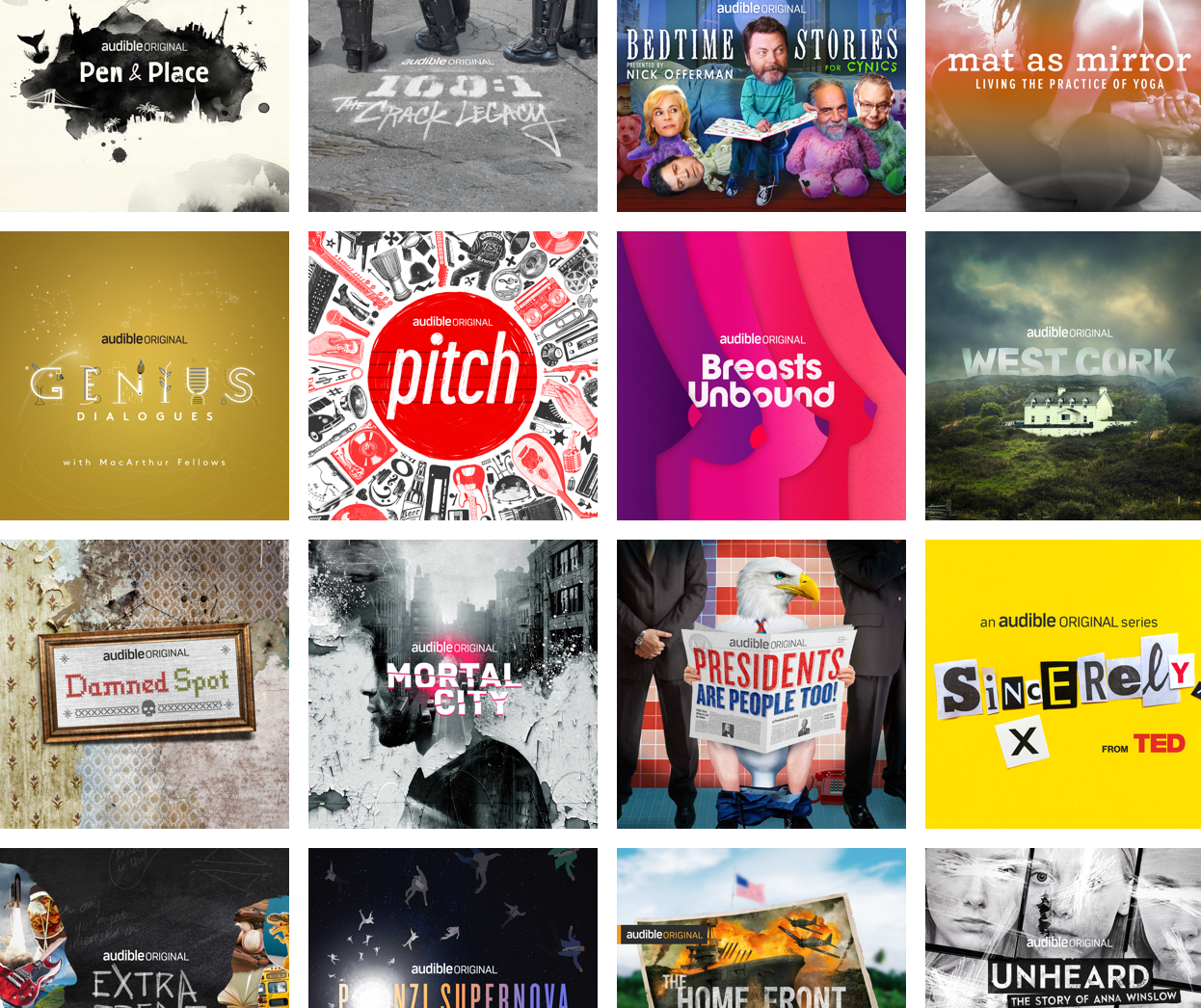
Audio Shows
When I joined Audible in 2015, Channels Beta was being tested with 5,000 whitelisted users, and was performing dismally. The business was intent on delivering a vast array of content, including Audible Originals Shows to its subscribed members, so I was brought on to deliver a listening experience that matches the promise and quality of the Audible Brand. This case study examines the product evolution from Channels to Audio Shows.
Disclaimer: This case study is a representation of my interpretation of process and events. None of the thoughts expressed in this are associated with Audible, Inc.
Project Duration
Sep 2015 - Jun 2017
From the Beta release in 2015, into the Prime Launch, and subsequent releases after, many iterations and features were designed and implemented by me and the team.
Role
UX Designer
Within the Premium team, I focused on the Native Mobile App experiences on iOS, Android, and Windows, working on Information Architecture, Interaction Design, and Usability.
The Challenge
Music, Podcasts, Radio, and TV are consuming the daily lives of millions of users across the world. When Audible Premium Members are finished their 1 book per month, they look elsewhere for entertainment. Competing sources of entertainment are so good, that we were losing Members due to the high cost of Membership. Enter: Channels. Now, when Members finish their 1 book per month, they can access free, short-form content directly from the App. But, we weren't getting the level of engagement we were hoping for with the Beta. The challenge, then, was to determine the Why, and the How.
The Beta
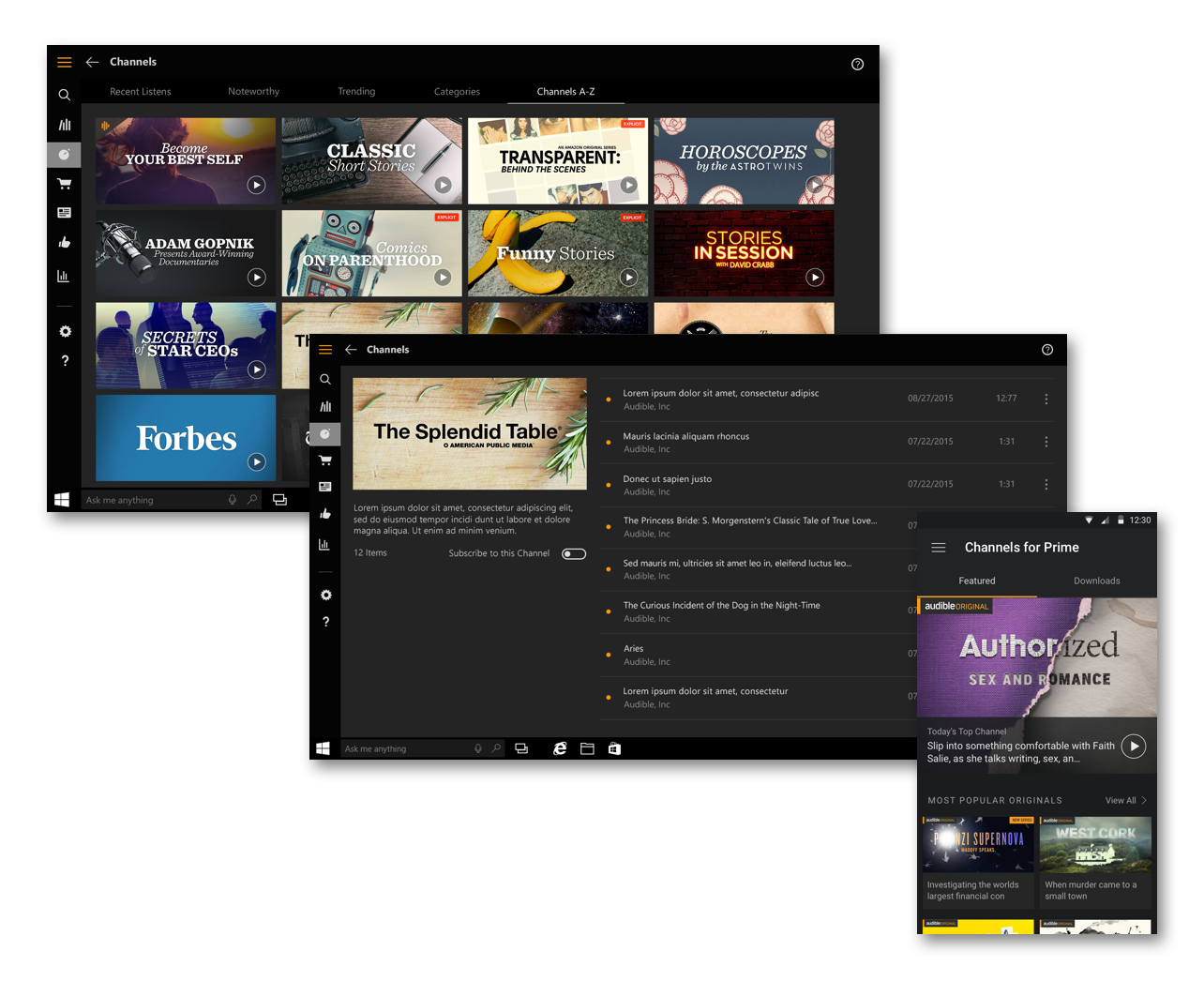
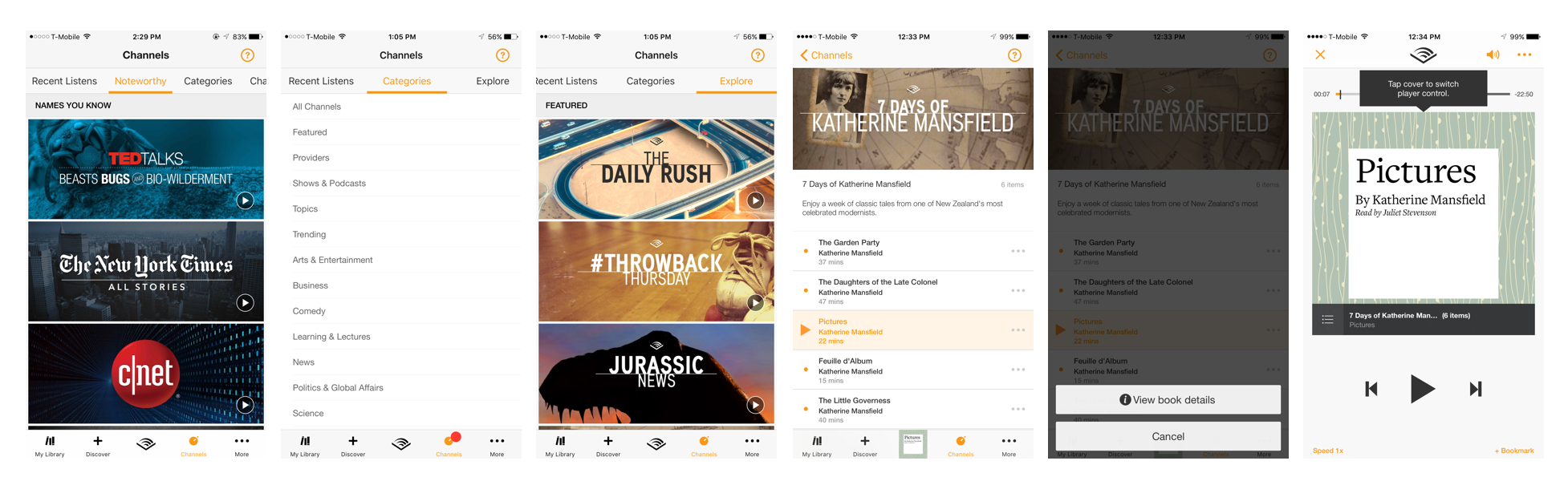
The Beta Release left much to be desired. Though the product was functional, it lacked basic features, and was cumbersome to use.
Know Thy User
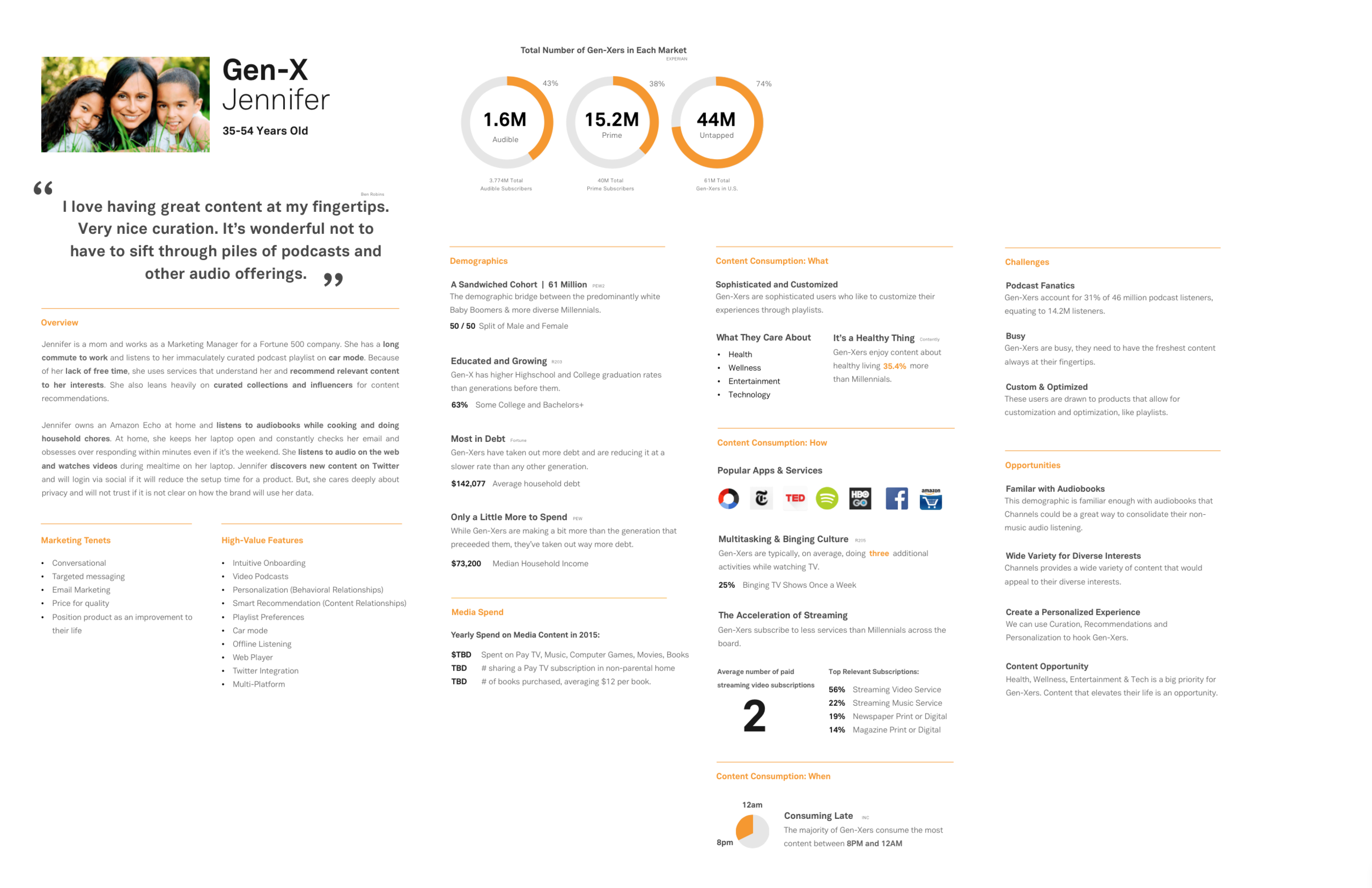
Before any kind of brainstorming, concepting, or even sketching can begin, I set out to understand the users we were targeting. A preliminary in-depth study of all the past User Research Studies, Customer Segmentation Data, Surveys, and Customer Care Contacts brought to light patterns that could then be distilled into Personas.
User Goals
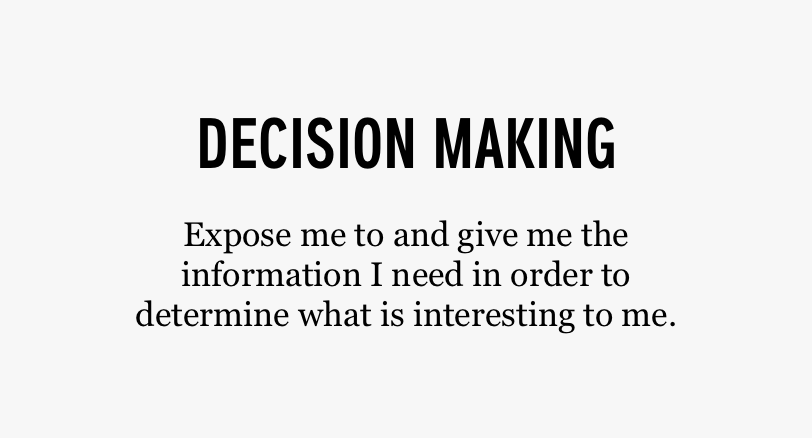
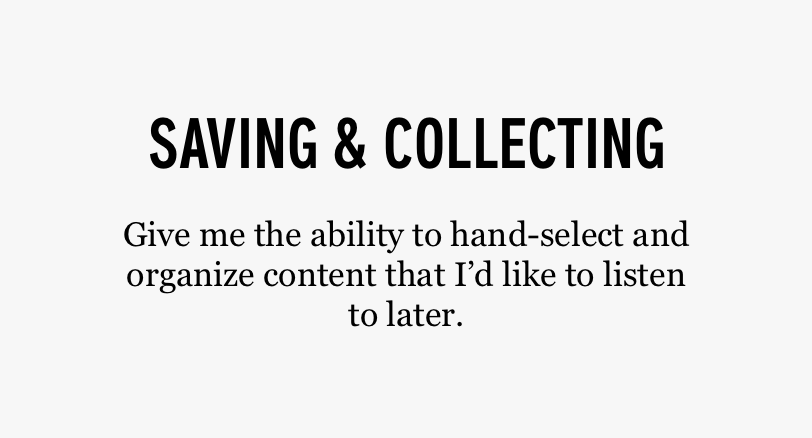
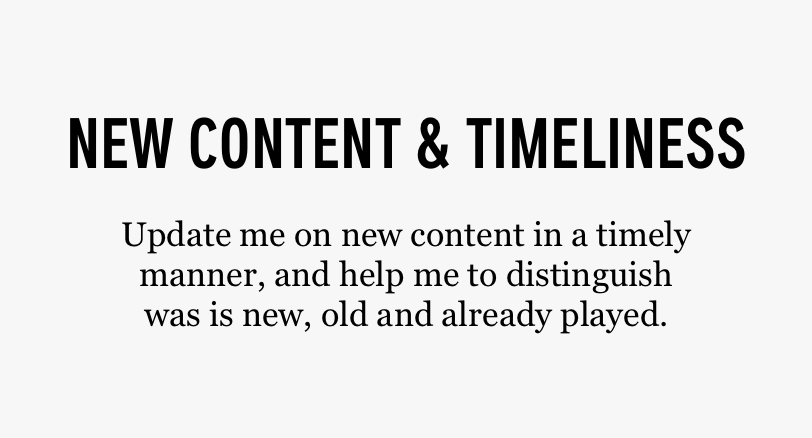
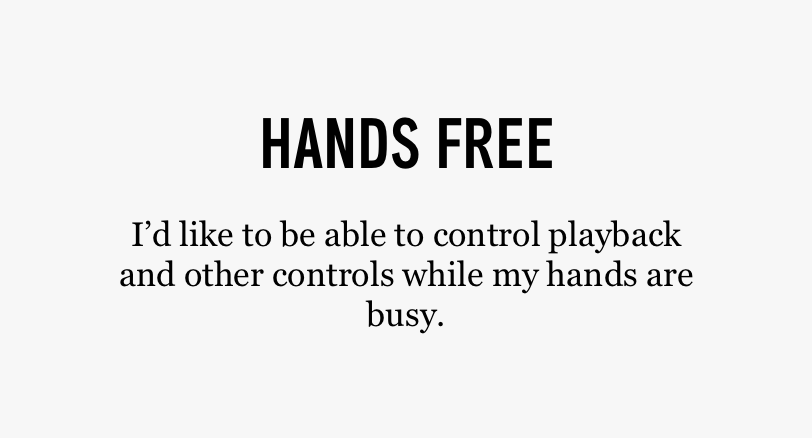
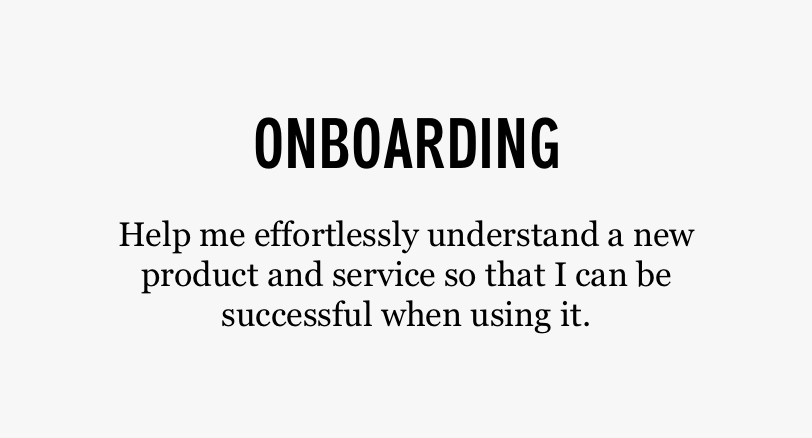
Since the task at hand was to create a user-centered vision for Channels, we created user goal statements, that aligned with each of the problem buckets we identified. This helped us communicate to stakeholders what mattered to users.
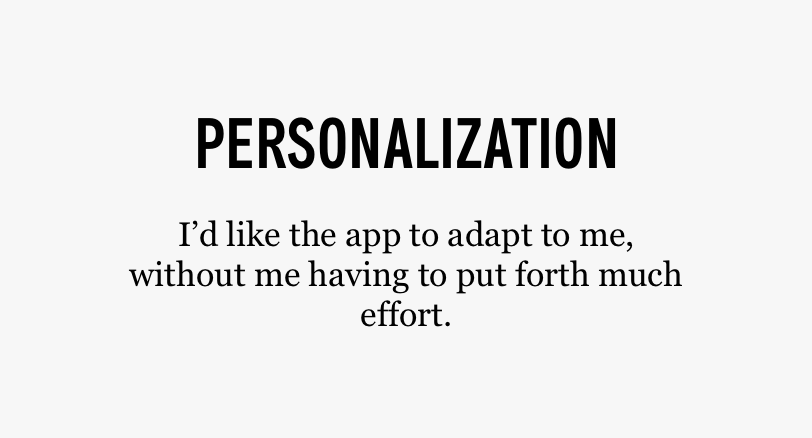
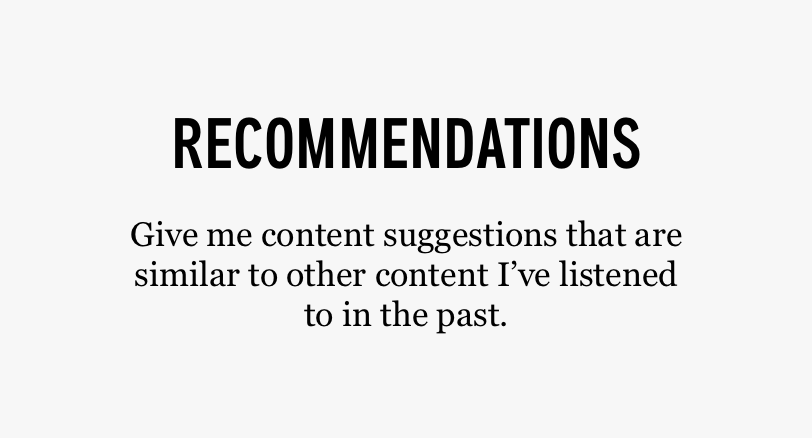
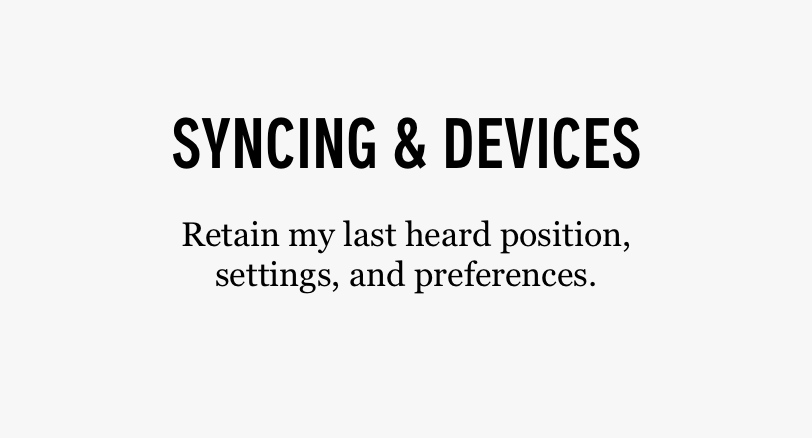
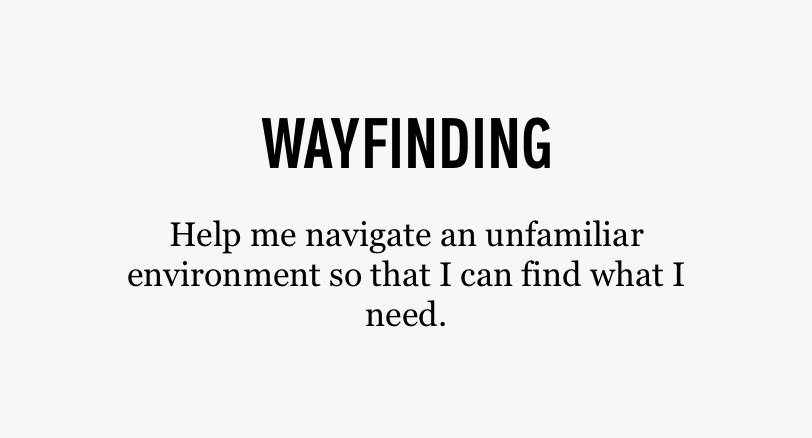
Designing Solutions
Various brainstorming techniques were used to help the team come up with design solutions that addressed each user goal and pain point. We adapted the Google Sprint methodology, and enveloped ourselves in a 4-day Audible Sprint.
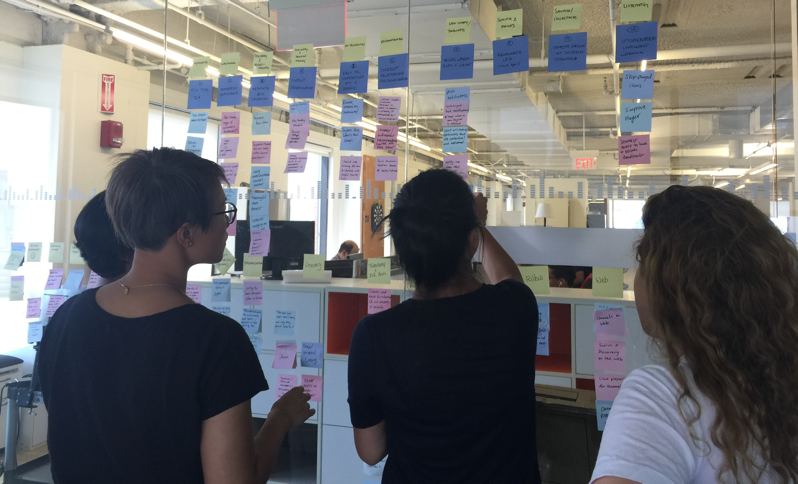
The outcome of this Sprint, was a breadth of sketches and ideas to address each of our user pain points and needs.
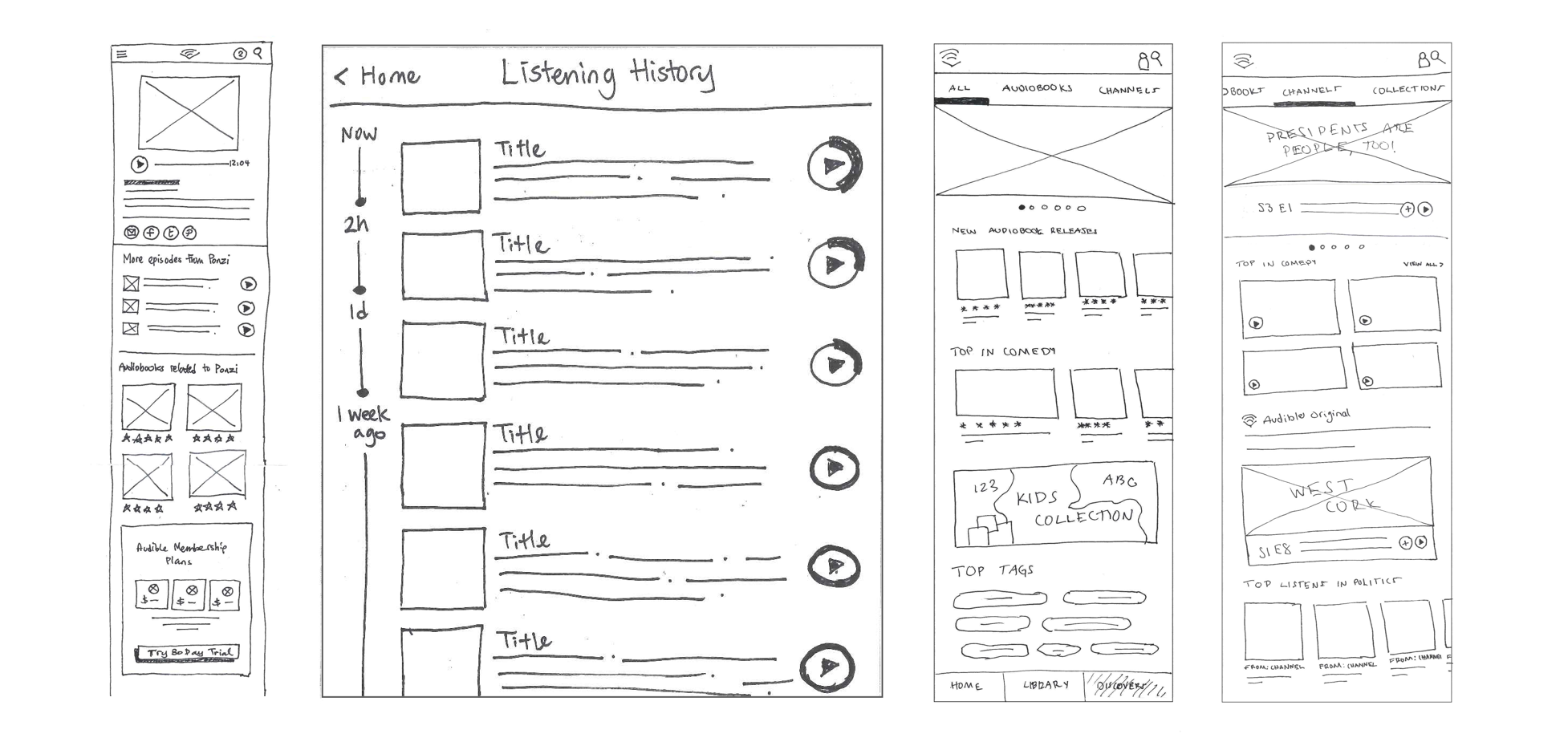
Iterative Product Development
In these Ideation sessions, we developed a loose, but exciting North Star for Channels. But, we also had to address the problems our users were experiencing today. My approach was to ensure that any new feature we built was aligned with the user goals, and would move the product towards the North Star.
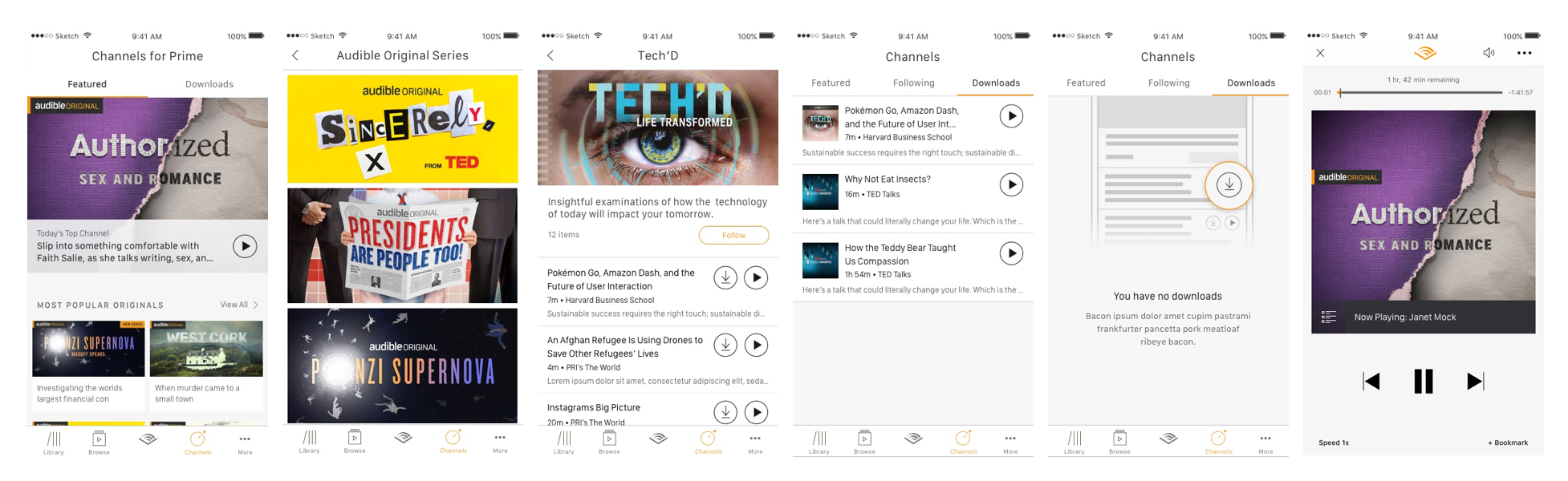
We made numerous changes to the IA, flow, functionality and also added new features that we determined were necessary for a solid baseline experience.
Discovery
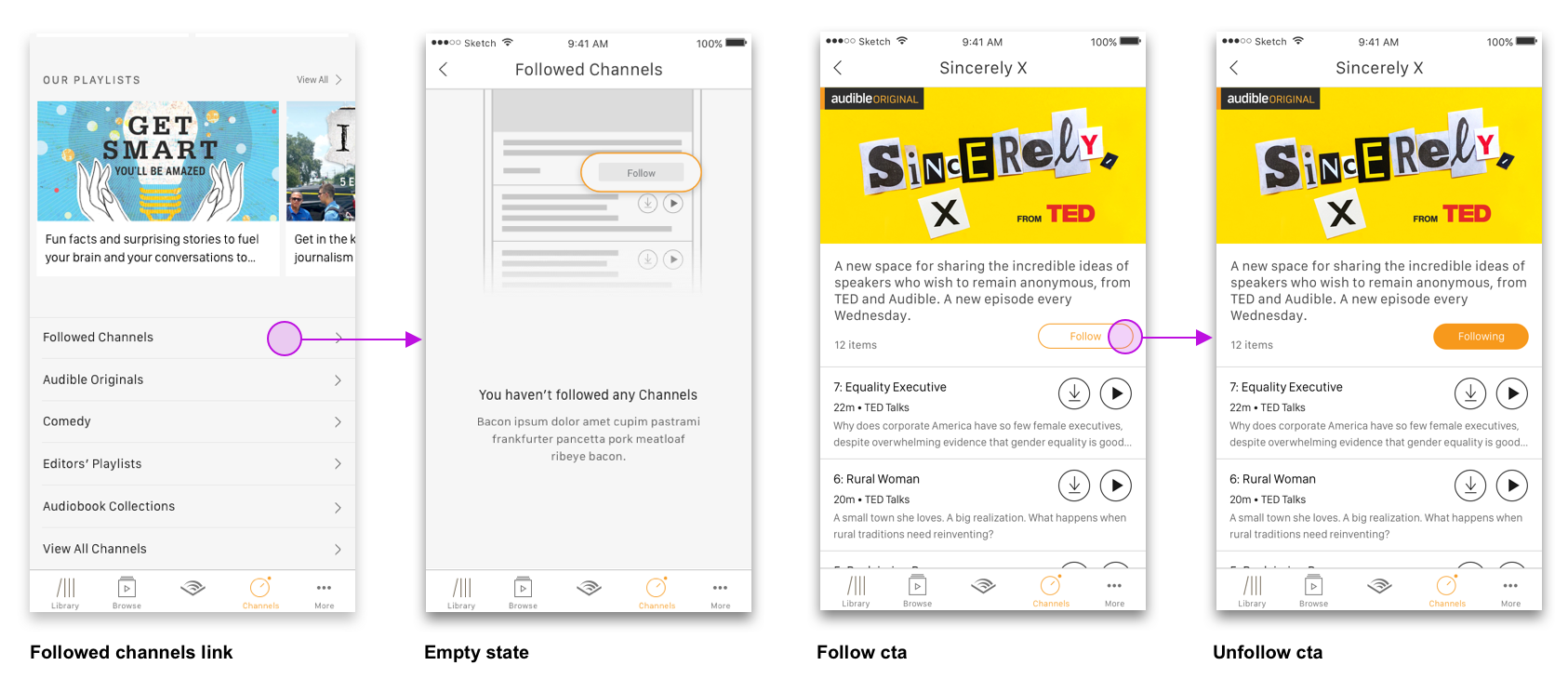
Giving a space for Marketing to promote new shows, while providing users all the control in their Discovery journey.
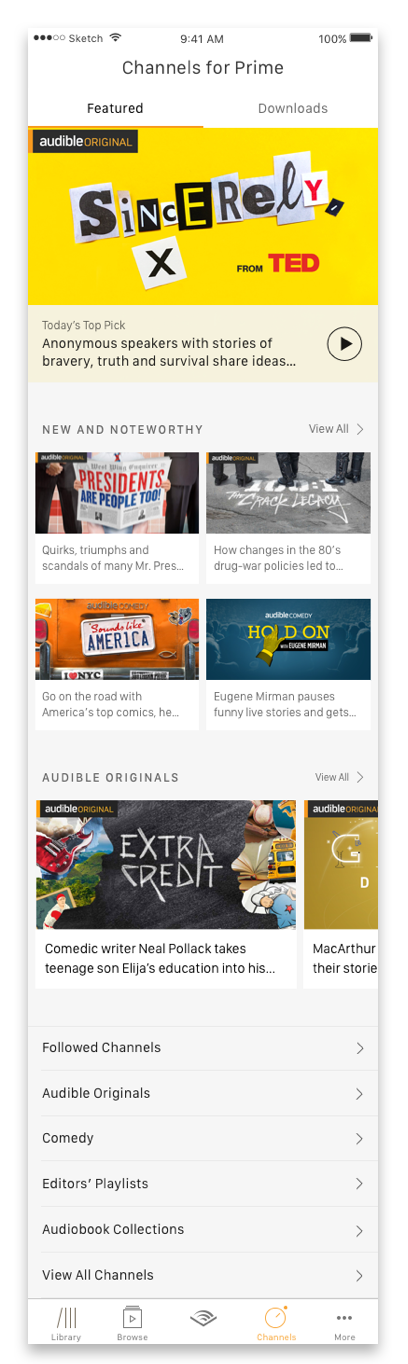
Following
Once users discover shows they like, they can choose to Follow shows, and receive notifications of new episodes, and to easily locate them for future listening.
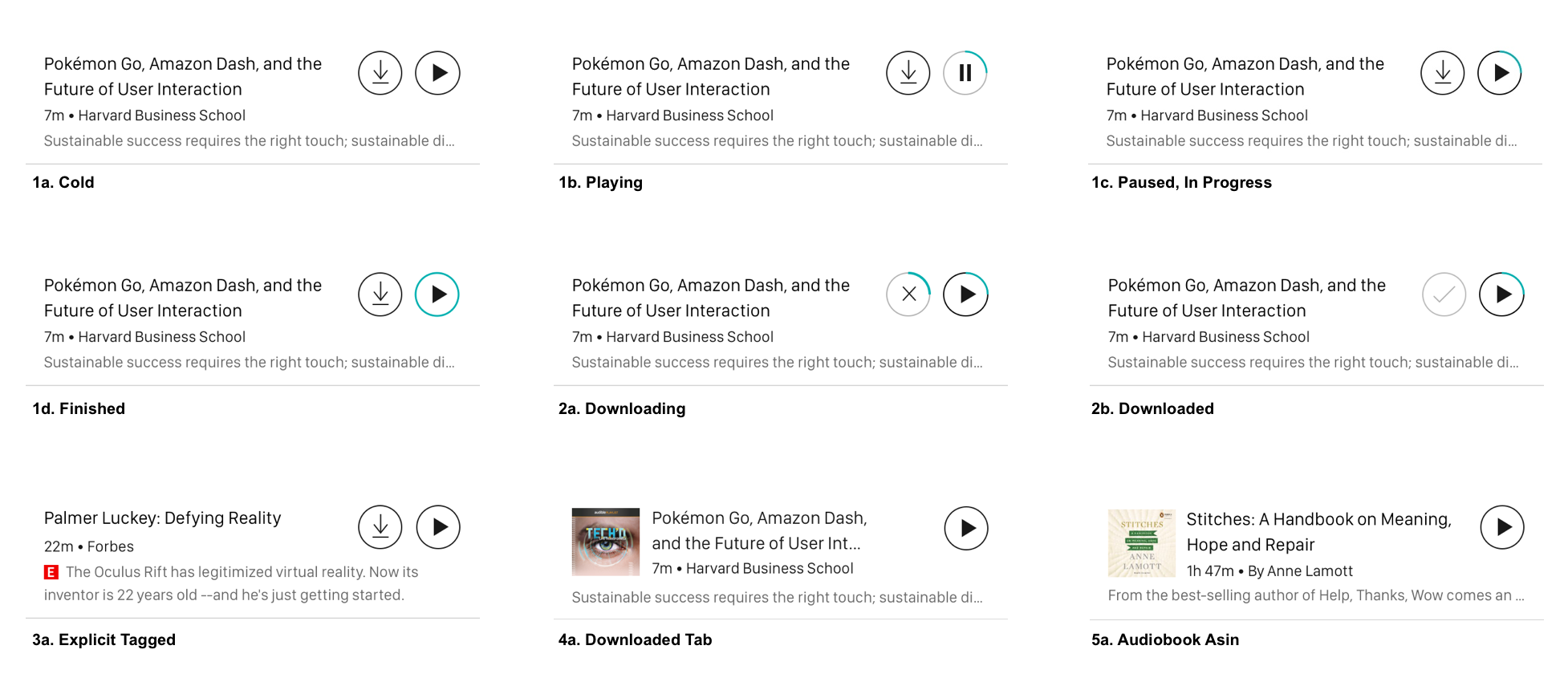
Priority Actions
The row view was designed in mind of several unearthed problems. Users didn’t know they could download content. Moreover, they had an onerous task of learning more before listening.
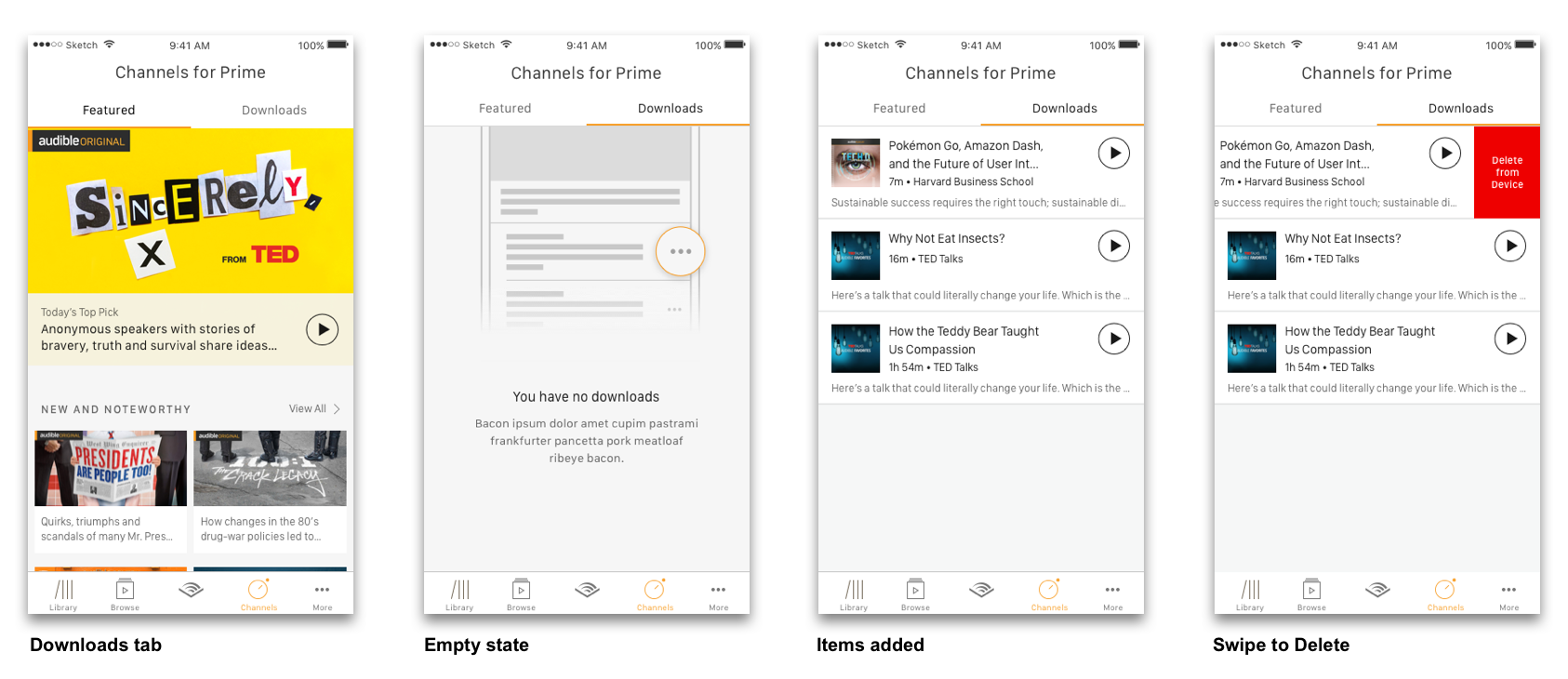
Offline Listening
Although the trend is towards streaming these days, our users were clearly in need of a way to listen without access to internet connection. They are driving through tunnels, taking the subway to work, and exercising in the basement gym.
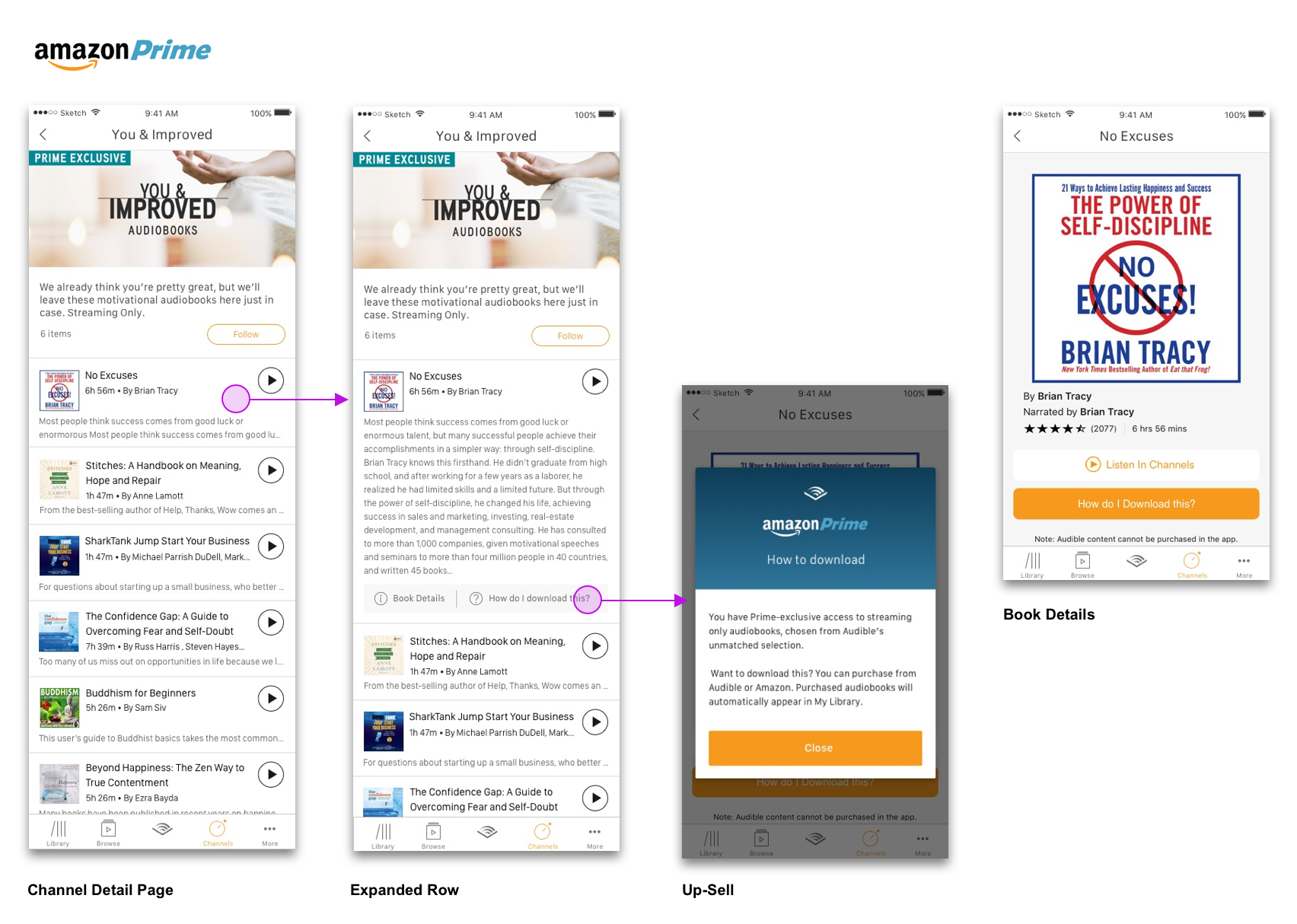
Prime Audiobooks
We were also given the task of offering Audiobooks in the Channels product. Books didn’t fit in our model, but we found a way to give access to hundreds of free audiobooks for Prime Members
Outcomes
The customer feedback based on the above changes gave us clear indication that we were going in the right direction. Surveys, Metrics, and Customer Care Contacts provided validation for the solutions we put forth.
“The interface is simple, familiar, and easy to use!”
The Big Elephant in the Room
Despite all the positive changes made to the user experience, we knew we were out of cards for the North Star vision we were aspiring towards. We were facing one very large, looming technical limitation: our content was housed under browse nodes, and were not actually products (we call them Asins here) that we can merchandise, sell, and promote to our users. Secondly, the content was not integrated.
Problem #1: The Browse Node Limitation
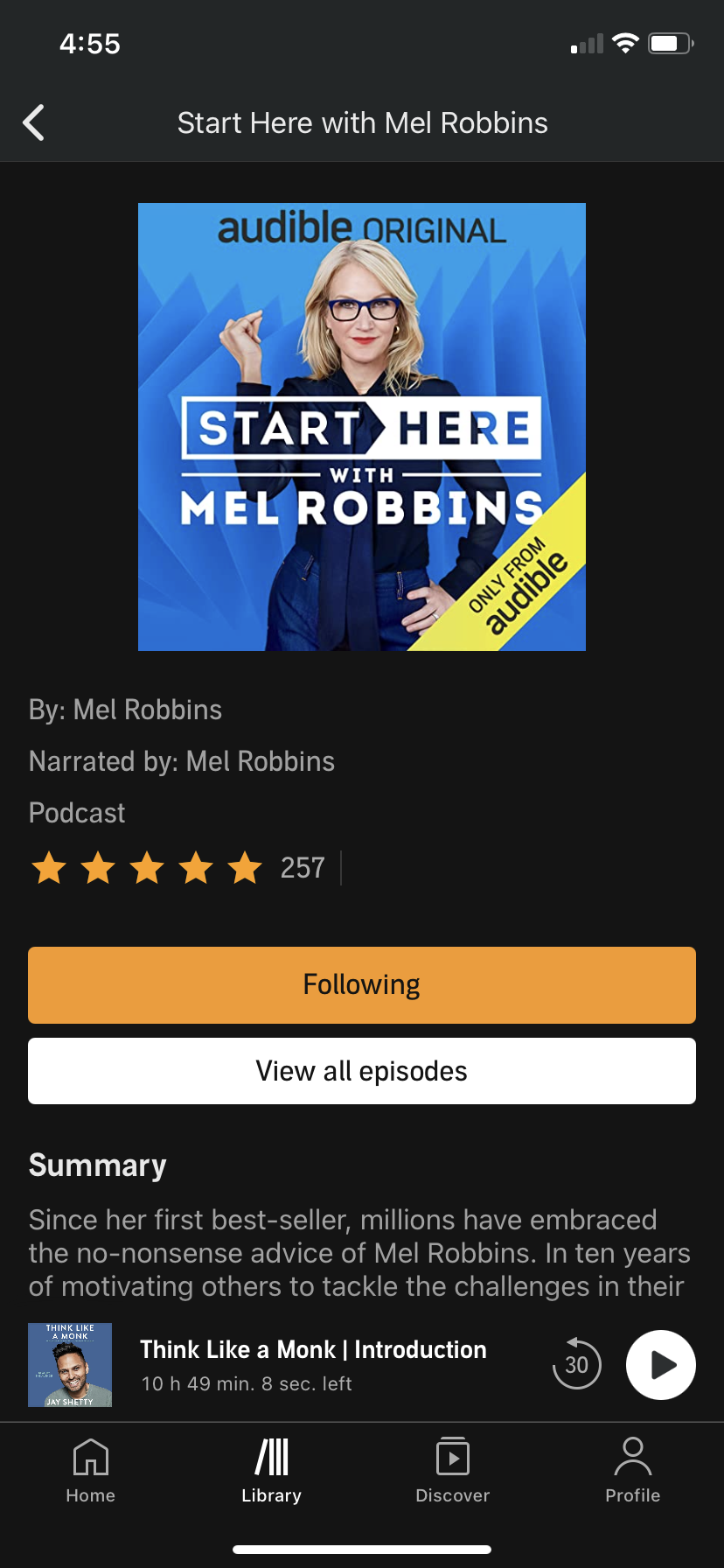
In the example of West Cork, an Audible Original Show, users can discover, add to library, and listen in library, all the individual episodes of West Cork, but cannot do so on the Show level itself.
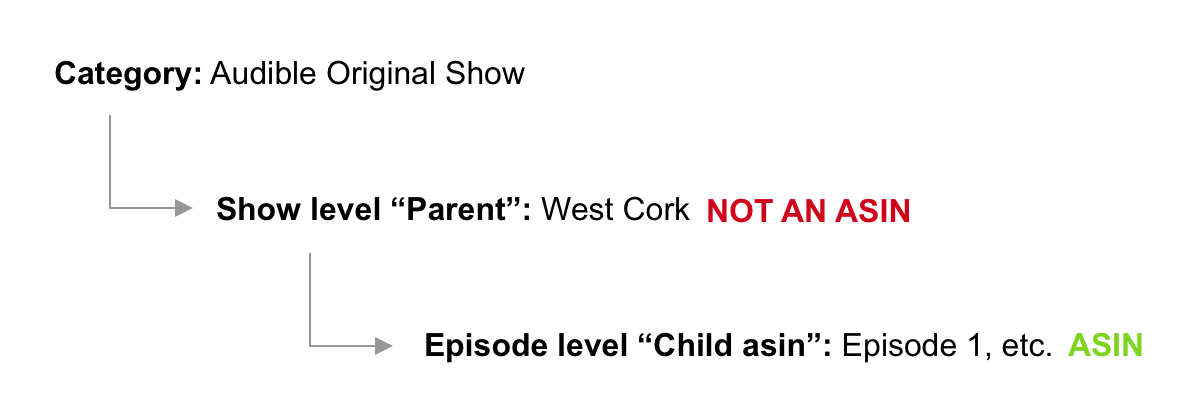
The limitations were many.
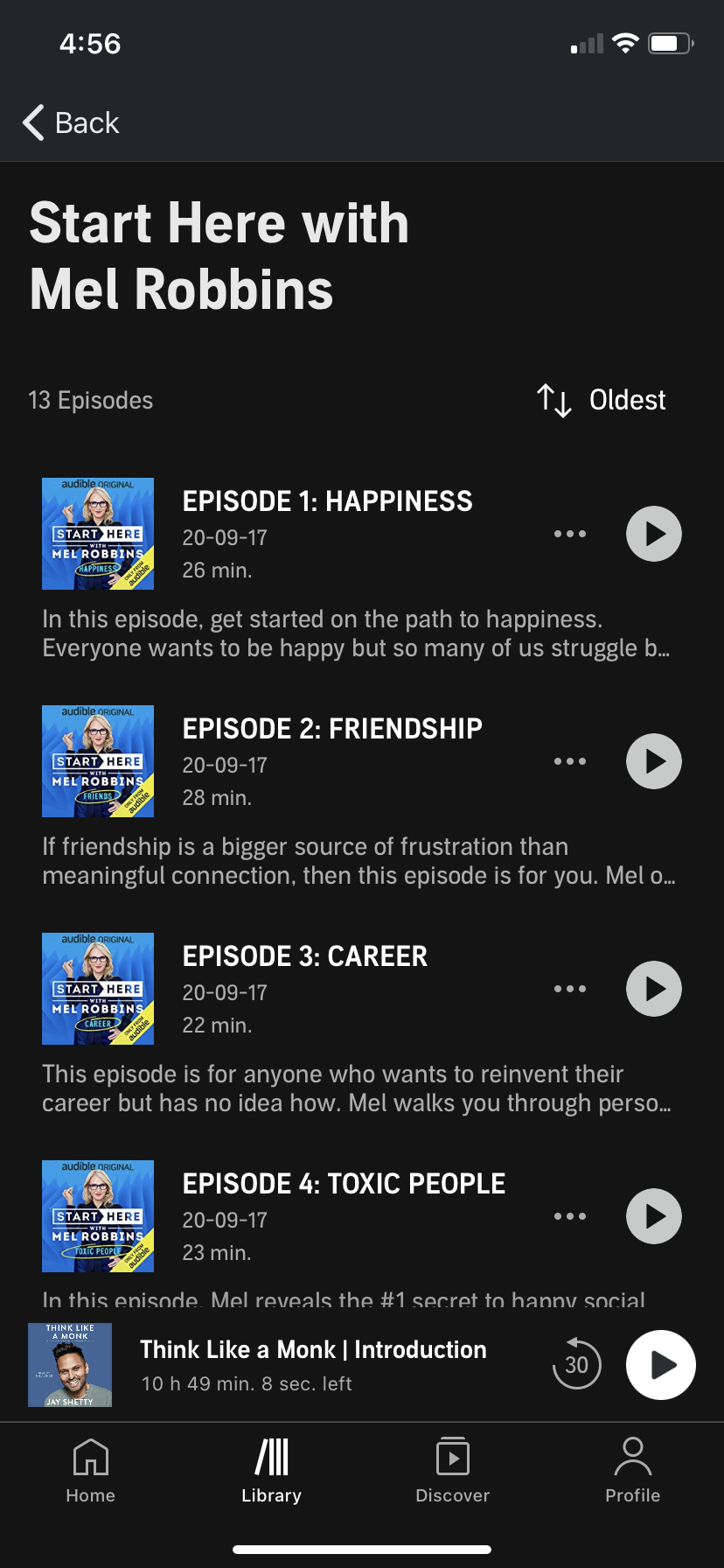
A user cannot purchase an entire Show on Audible.com, only individual episodes
A user cannot view a Show’s Product Detail Page on Audible.com.
A user cannot consume entire Shows in their Library.
A user cannot search for a Show, such as West Cork, only individual episodes
A user cannot rate or review a Show, and therefore cannot view ratings and reviews.
A user cannot Share a Show, only individual episodes.
The Marketing team cannot effectively merchandise Audio Shows on Audible.com.
Problem #2: Separate But Not Equal
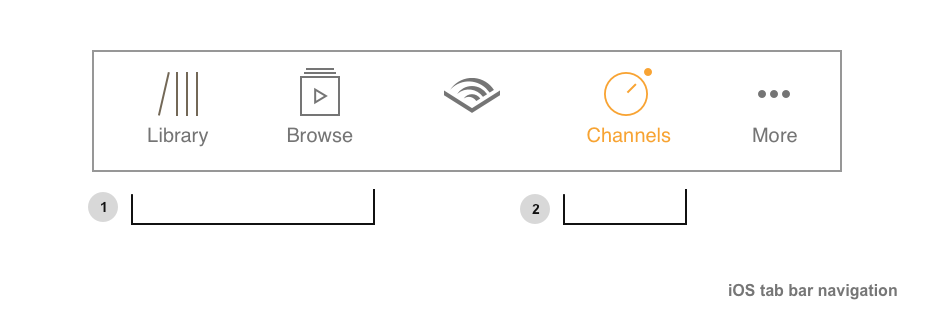
From the very beginning of Channels, it was separated into one tab in the App, because the business did not want it to affect the rest of the experience. This meant that Channels content was not discoverable or consumed in the places that the rest of Audible’s content was: in the Library and Discover tabs. It’s no wonder why users were not engaging with the content. It did not present itself seamlessly within the rest of the ecosystem, and became more cumbersome to use.
Reframing the Problem
It is difficult for our users to discover, purchase, and listen to Channels content, because the content is not an actual product on our digital surfaces. Thus, we cannot leverage the features that our product asins (audiobooks, newspapers, magazines, etc) enjoy today.
A cross-team initiative
The rest of the product, tech and design team members were assigned to other projects, and I was given the challenge of determining the best (existing) Content Model we should use, in order to suit the complex nature of this content, and have it readily available to our users within the year. Given the extremely tight timeline, I organized a Task Force, consisting of SME's across several teams in the organization, to help me find the answers I needed to solve this problem.
Content Model Analysis
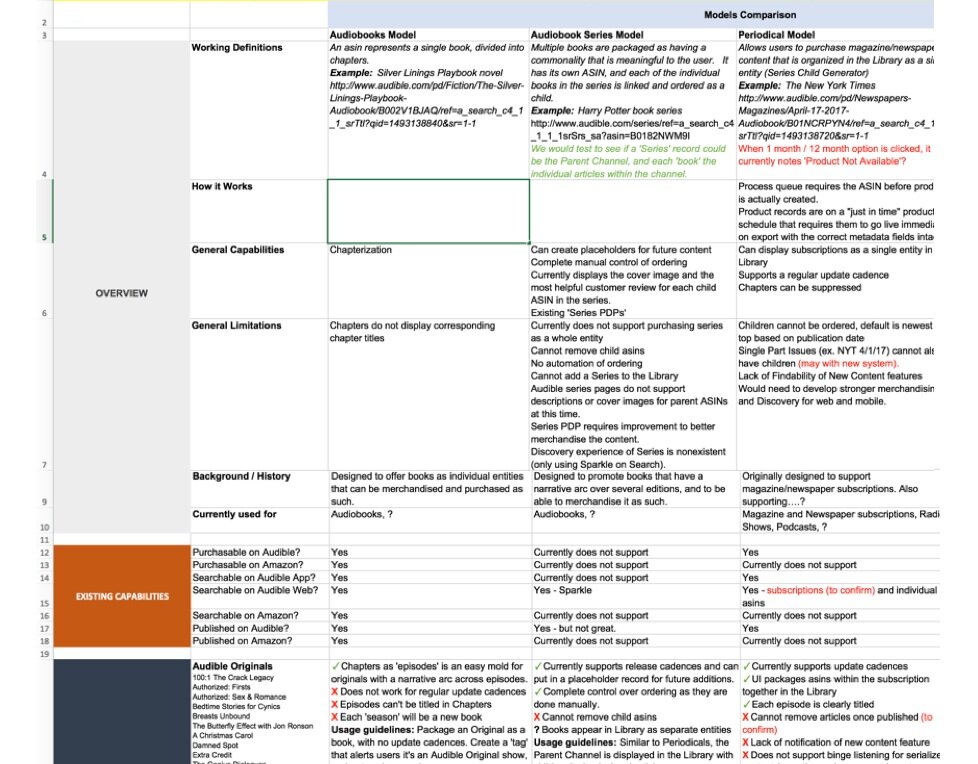
In this phase of the project, I undertook a major research initiative to determine all the existing Content Models we had, and determine which path was the best option. This work required substantial collaboration, as I’ve conducted interviews and data gathering sessions with members from many different teams
The new hypothesis
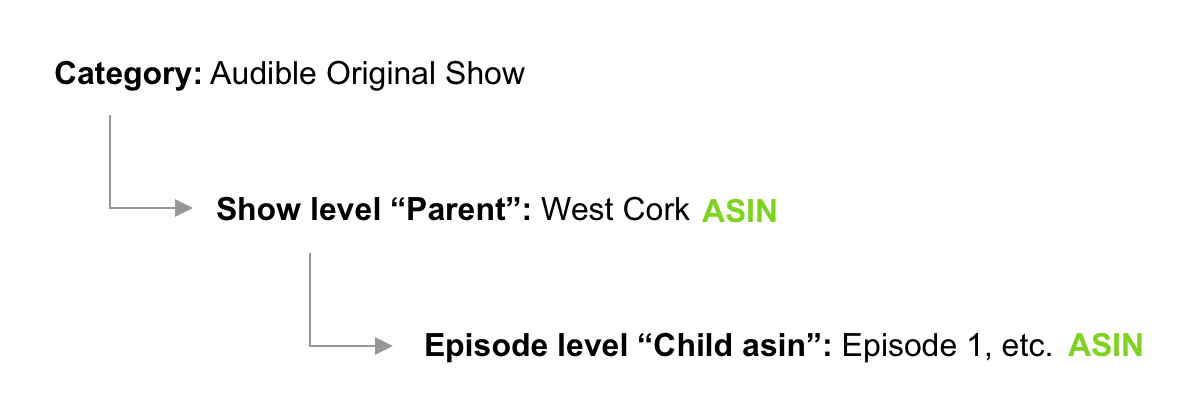
In order to increase engagement, all Channels content should be migrated into the Periodical Subscription Content Model. This will allow users to discover, add to library, and listen to Channels content, in the same manner as they do for all other content on Audible.com.
Testing the hypothesis
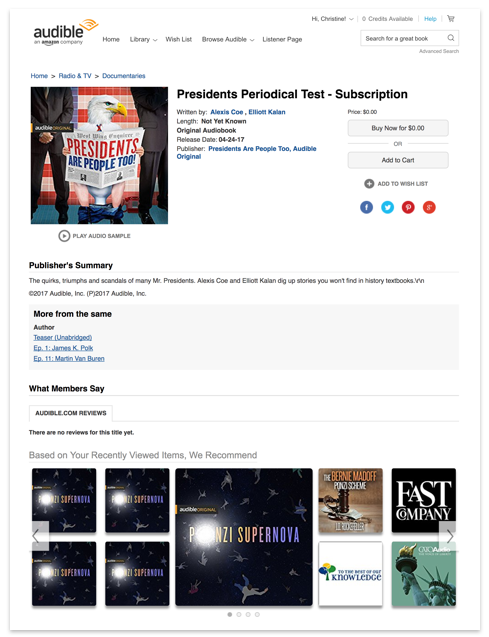
We ran a few of our shows into the Periodical Subscription Model. This is the real live test for one of our Audible Original Shows, People’s Are People, Too!
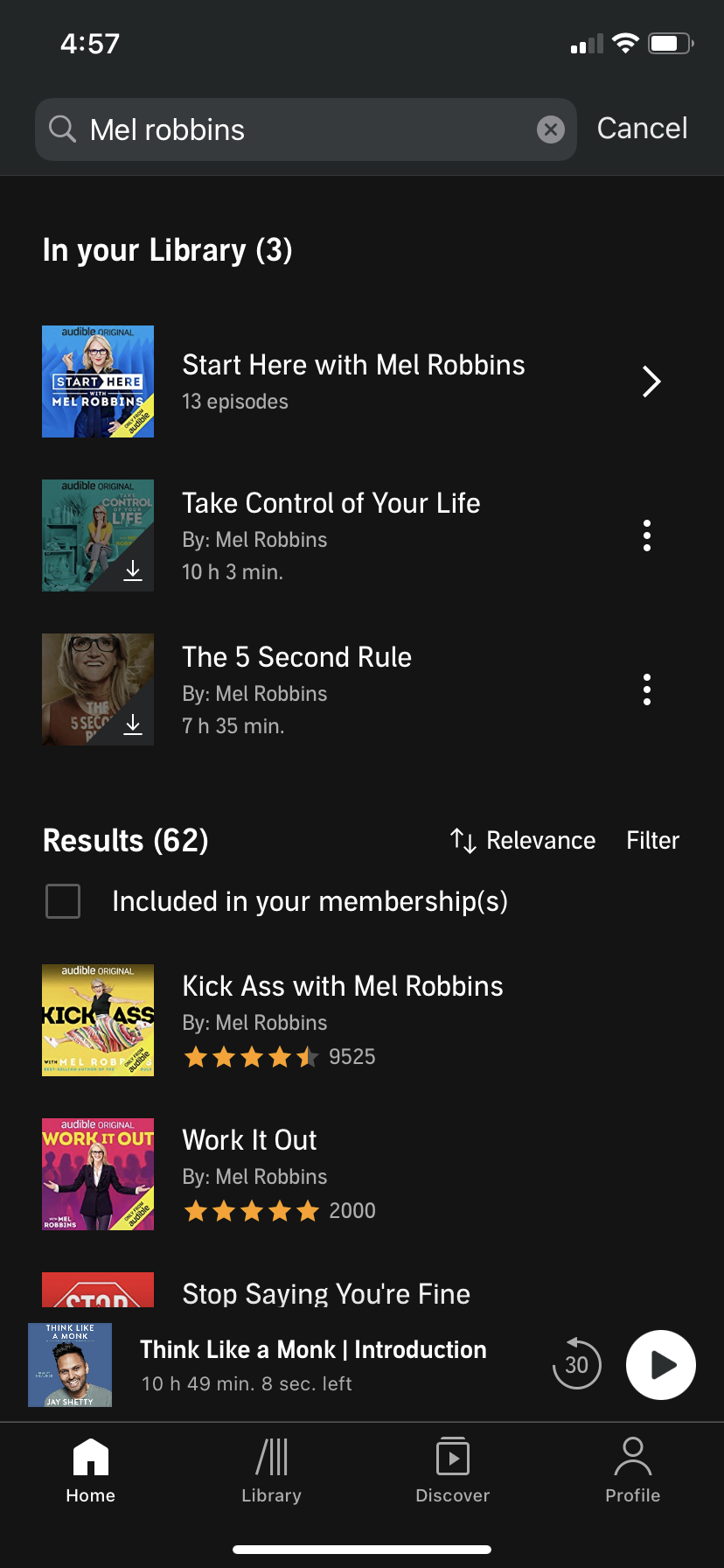
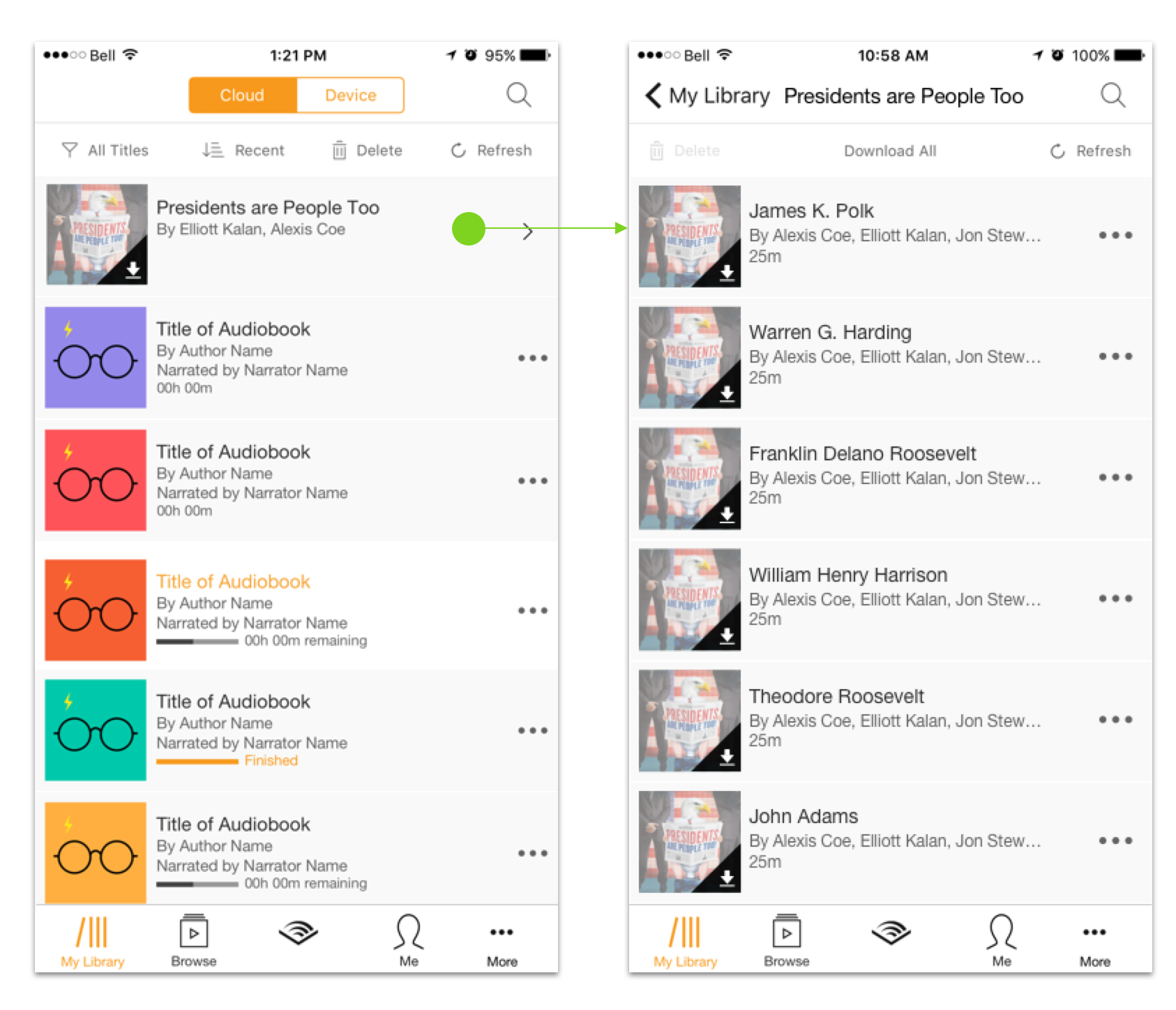
Once a show is purchased, it appears in the user’s Library, where all their other content lives. Since a show has multiple episodes, a list view allows users to easily browse and select which to download and play.
Identifying new cx problems
10 top cx problems were uncovered that would ensue if we moved forward with this approach. Both short and long term cx solutions were delivered to ensure we met product timelines.
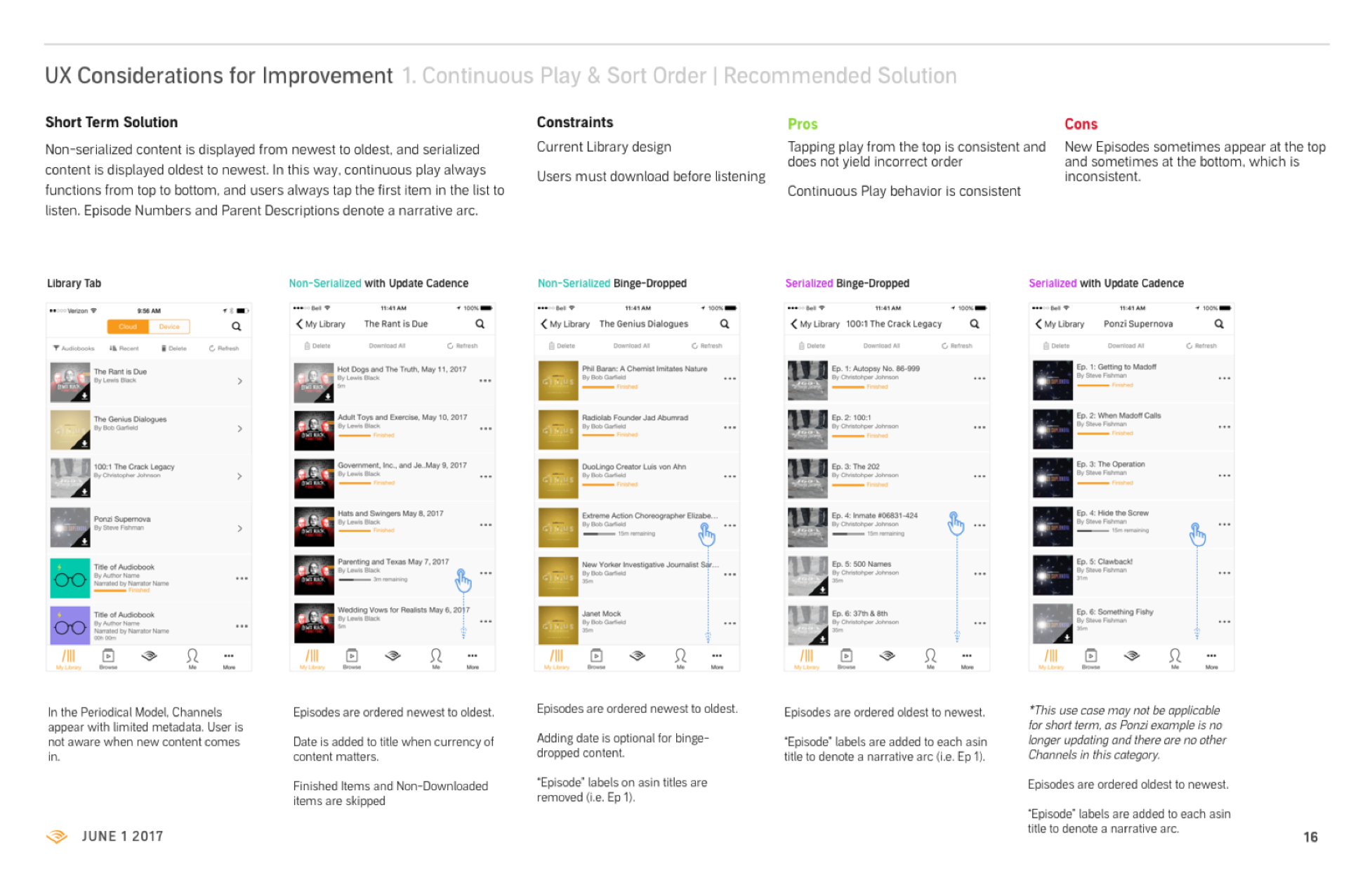
Shows varied in terms of release schedules: some were provided all at once (binge-worthy), and others were released one at a time. Second, some had to be watched from beginning to end (i.e. in a specified order), whereas in others, the order did not matter. The Library on iOS and Android, was not designed or built to handle these use cases.
Introducing: Audio Shows
As the business deprecates Channels, the Product team is working on the forefront to deliver new Audible Originals to our users, now available on Audible.com today, and as an Amazon Prime Member benefit. Though it was bittersweet to say farewell to Channels, this was absolutely the right direction for the product to go. Now that we have removed the barriers to listening, we can start to see the real numbers, levels of engagement, and put forth future strategies to improve this offering even further.
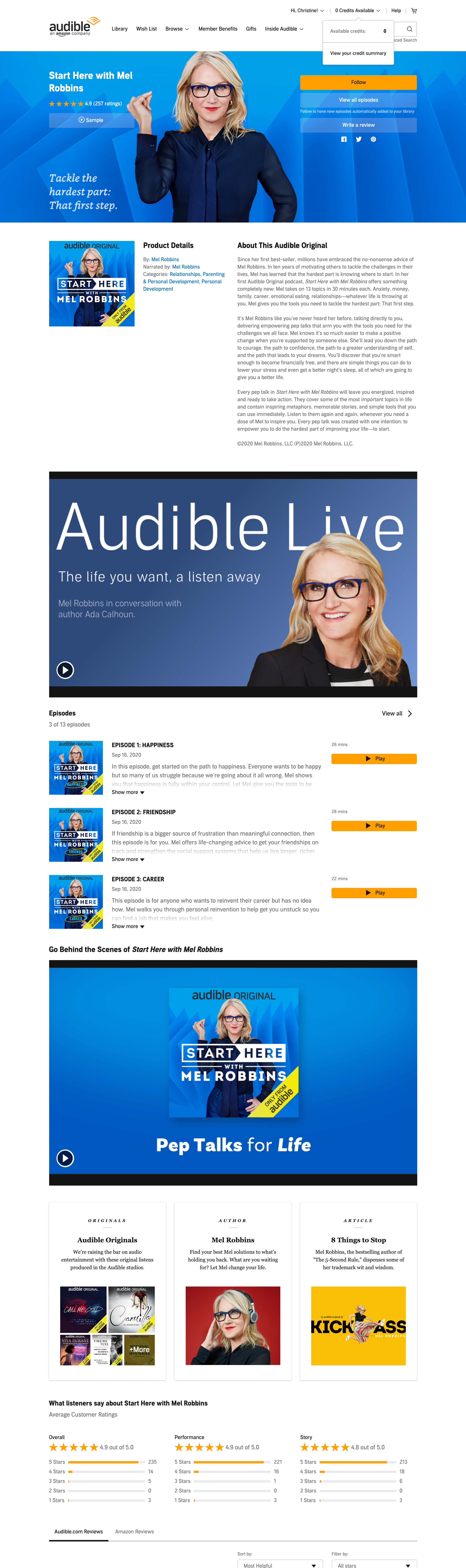
Real Results.
Today, our Audio Shows (formerly Channels) are experiencing higher user engagement than ever before - providing our teams valuable data for future content and marketing strategies.